Emotions & Relationships / Needing Reassurance
Needing ReassuranceWhy Does Their Reassurance Only Last a Few Minutes?
Outside reassurance works like a painkiller: it works now, but wears off in a bit—because it treats the feeling, not the root.
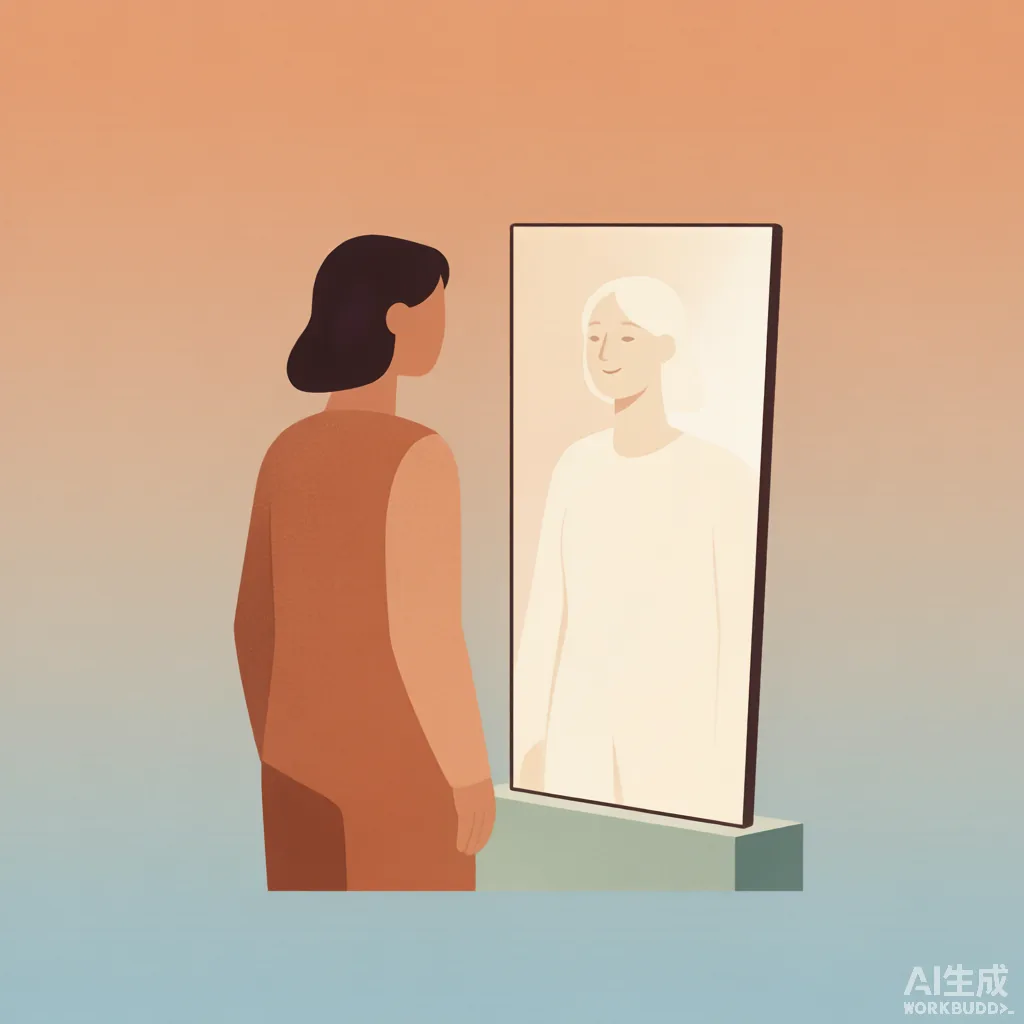
When you ask 'do you love me' and hear 'yes,' your nervous system may go quiet for a moment—and then start scanning again. It's not that they didn't say it well; it's that you weren't asking for an answer.
What you wanted was 'a feeling of being sure.' Words can give you a syllable, but they can't permanently manufacture the felt sense of being held. Only repeated, safe real interactions slowly plant that feeling in the body.
That's why 'he said he loves me' still doesn't stop you asking a second or third time—what you want isn't the word, it's the bodily sense of 'I'm safe right now.' Words expire; that felt sense needs constant refresh from new safe experiences.
Why does someone else's reassurance last only minutes? Because the anxious attachment 'safety baseline' runs low. Their words are like pouring water into a leaking cup—it drains as fast as it goes in, so you keep pouring.
One more layer: you may be using 'reassurance' to suppress present unease, not actually asking. The suppressed unease doesn't vanish; it's just covered, and soon leaks from another crack—so you want to ask again.
Key distinction: healthy reassurance is 'I sometimes want to hear you say it'; addicted reassurance is 'I can't live without hearing it.' The first is candy, the second is oxygen—and demanding oxygen crushes the relationship.
Practice: before you ask, pause three seconds and ask yourself 'do I want to know, or do I want to be soothed?' If it's the latter, do one small safety action yourself (a breath, a self-hug) before deciding whether to speak.
The real way out isn't 'make them say more,' it's 'slowly thicken your own cup.' As your safety baseline rises, one sentence from them lasts longer, and 'do you love me' stops dominating the space between you.
Frequently asked questions
Stop guessing, start understanding
Done reading and want to act? Take the test once and turn the article into understanding yourself.
Start Test