博客 / Family & Attachment
Family & AttachmentTeen Attachment: How Adolescence Rewrites Your Bond with Family
Many parents read adolescence as 'the child went bad'. From an attachment view, it's the brain rewriting the early 'rely on parents' pattern into 'rely on self'. Pushing you away isn't the same as not needing you.
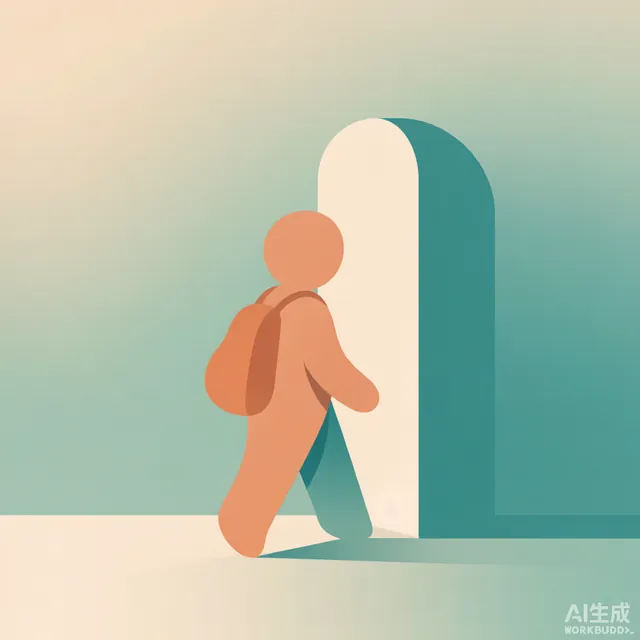
1. Teen attachment is 'want you close yet push you away'
The teen brain is rewiring; the drives for independence and dependence surge together. So the child pulls you close and shoves you off—not unloving, but practicing 'who am I.'
Parents misread it as 'rebellion.' It's actually attachment seeking a new balance.
2. Digital social life amplifies teen attachment anxiety
Teens live in groups and feeds. Read-but-not-replied, excluded from a chat—hits harder than for adults, because peer belonging is their current secure base.
Don't downplay 'being left out'; for a teen that's real survival-level unease.
3. Anxious teens: read 'excluded' as 'unloved'
Sensitive teens easily read one slight as 'everyone hates me.' All-or-nothing thinking is anxious attachment in adolescence.
What parents can do: stay calm instead of panicking with them, then 'you're hurting, I'm here' beats any lecture.
4. Avoidant teens: shield with 'I don't care'
Some teens use 'I don't care at all' as armor. Cool outside, perhaps retreating inside for fear of rejection.
Don't puncture the cool; show steady presence: you don't need to prove anything, and I haven't left.
5. What parents do: be the base, not the monitor
Teens need catching, not managing. Less checking-up, more 'I'm here whenever you want to talk.'
A secure base means: you can fly, but there's always ground when you look back. The steadier the ground, the braver the flight.
6. If self-harm or long withdrawal appears
Teen attachment trauma showing as self-harm, long isolation, extreme mood—is not 'teen temper,' it's a cry for help.
Don't white-knuckle it; the school counselor or a professional is the responsible call.