博客 / Partner & Attachment
Partner & AttachmentCohabitation and Attachment: When the Secure Base Becomes the Same Roof
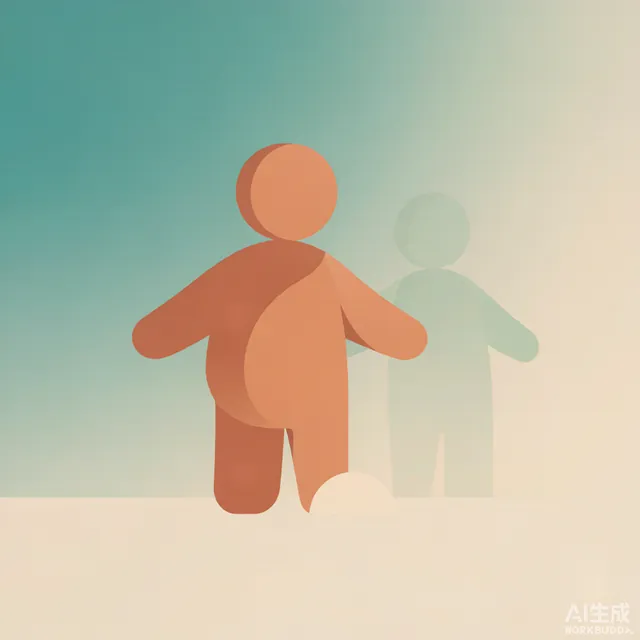
Move under one roof and romance recedes first while reality surfaces. You learn: they must sleep with the light on; you need alone time more than you thought. Cohabitation isn't the finish line of love—it's the first time attachment is put under a microscope.
1. Why cohabitation is a high-pressure test of attachment
Attachment theory describes a secure base: someone you can return to, someone predictable. Cohabitation upgrades that base from 'can reach them anytime' to the physical fact that 'they're always there'—density spikes.
Daily co-living keeps triggering moments that need a response: they're on the phone when you're exhausted, they're angry when you're happy—every small mismatch is a mini exam for the attachment system.
So cohabitation fights look like 'who takes out the trash' on the surface, but underneath often fight about 'do you keep me in your heart'.
2. The minefields of each attachment type under one roof
Under the same roof, the four types step on completely different mines.
Secure—fewest mines. Can say directly 'I need two hours alone today' and shares proactively. But note: even secure types accumulate resentment from over-carrying and need to be seen.
Anxious—mine is 'can't see them'. The other is right there but doing their own thing, read as 'you don't care about me'. Common moves: manufacturing topics, hovering in front of them, expressing unease with 'you never keep me company'.
Avoidant—mine is 'compressed space'. Cohabitation narrows their retreat channel; they rebuild boundaries with silence, closed doors, long headphone use, often misread as cold violence.
Fearful—mine is 'wants closeness yet fears it'. Wants a hug one minute, flees the next, turning roommate-level intimacy into a tug-of-war.
3. Attachment signals hidden in chores, belongings, boundaries
The most underrated part of cohabitation is the attachment meaning carried by small things.
Who takes out trash, who cooks is never just division of labor—it's the concretization of 'am I remembered by you'. Long-term imbalance makes one side accumulate the grievance of 'I'm invisible in this relationship'.
Personal items and alone corners are the avoidant's secure-base substitute. Respecting their desk, headphones, door-close time equals respecting that their 'I' still exists.
Whether to talk those ten minutes before sleep, what temperature the AC is—these micro-moments are your daily re-negotiation of 'we are together, yet each complete'.
4. Three small practices that steady cohabitation
Stability in cohabitation comes from turning invisible expectations into visible agreements.
Weekly roof check-in: 15 minutes, no rehashing the past, just say one thing comfortable this week, one stuck point, one thing to try next week. The point is regularity, not depth.
Mark各自 non-invadable time: e.g., each does their own thing 9–10pm. Gives avoidant types breathing room and gives anxious types the certainty that 'they didn't vanish, just recharging'.
Share one low-cost ritual: cook a meal, walk, Friday movie night. Acting together rebuilds 'we're a team' better than just being present together.
5. When 'we' starts squeezing 'me'
The most hidden risk of cohabitation is 'me' slowly eaten by 'we'. Anxious types over-fuse easily; avoidant types use distance to fight fusion; both extremes deform the relationship.
Healthy cohabitation is two complete people choosing to share a roof, not two halves拼成一个 person. Keeping各自 friends, hobbies, silences makes the bond more durable.
When you notice you 'dare not go out alone' or 'dare not be alone', that's the signal to reclaim your boundary.
6. Boundaries: when roof friction needs outside support
Cohabitation conflict is normal, but some lines crossed mean it's time to seek help.
One side punishes the other with silent treatment, slamming doors, or financial control, for over a month.
Personal boundaries systematically violated: phone checks, restricted socializing, mandatory location reports.
Cohabitation becomes a 'whoever leaves first loses' tug-of-war, neither dares mention breaking up.
Sleep, mood, or somatic issues appear, strongly tied to being at home.
常见问题
Curious which attachment pattern your cohabitation reactions come from?
Take the test and connect those frictions under the roof to a fuller picture of how you relate.
Start the test